Shed vs Sleepout vs GrannyFlat vs ShedHouse
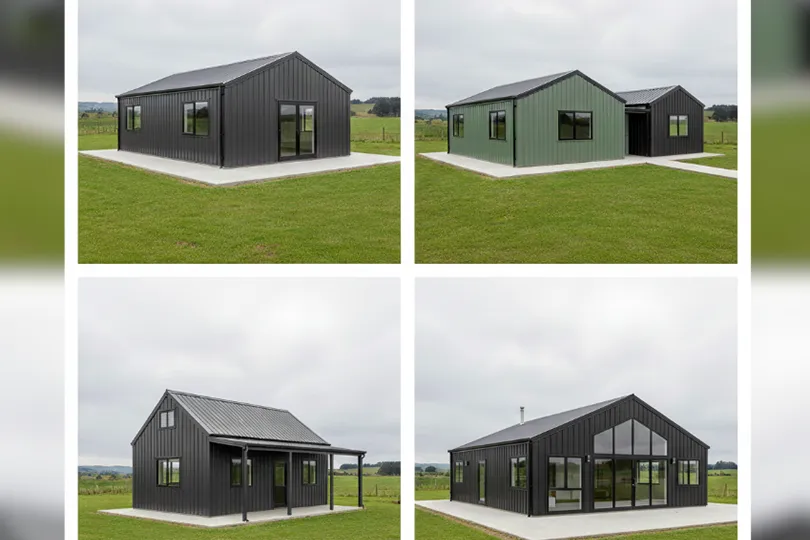
1. What is a Shed?
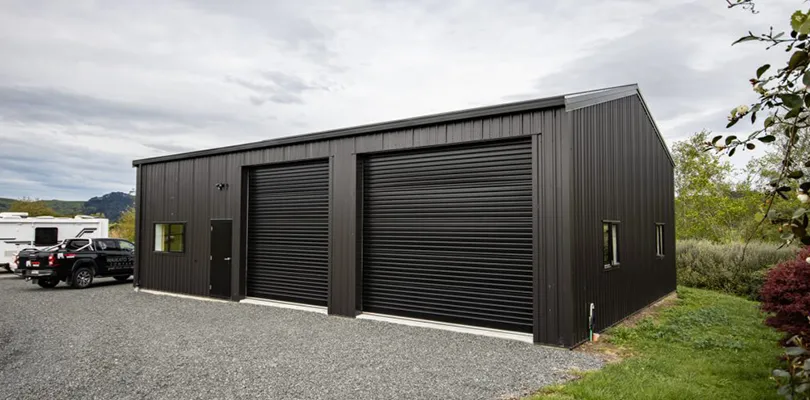
A shed is a structure primarily used for storage, workshop space, or housing equipment. In New Zealand, sheds sit in the lowest risk category under the National Building Code — classified as IL1 (Importance Level 1) because they are entered infrequently and don’t pose significant risk to life if damaged.
Key characteristics
- Not designed for regular human habitation.
- Used for vehicle storage, as a workshop, or farm equipment.
- Lower structural requirements than habitable buildings.
- Can be exempt from requiring a building consent if it is under the required size and meets conditions.
Because of the lower risk and simpler standards, sheds are generally cheaper and quicker to build than structures intended for living.
2. What is a Sleepout?
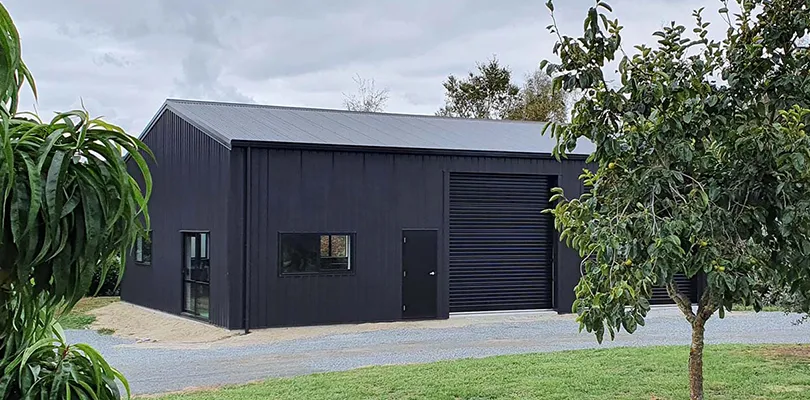
A sleepout is a dedicated space for sleeping or living support — but without full self-contained facilities like a kitchen or bathroom. Sleepouts rely on the main house for those amenities.
How it’s defined
- A sleepout provides habitable space (e.g. a bedroom, office, rumpus room).
- It is classed as IL2 (habitable building) because people spend extended time in it.
Must meet higher standards for foundations, insulation, weather-tightness, and structural strength than a shed.
Consent considerations
- Minor sleepouts up to 30 m² can sometimes be built without a building consent if they meet strict Schedule 1 rules — no plumbing/cooking, single storey, height limits, setbacks, and installed smoke alarms are required.
- Larger or fully equipped sleepouts do require full building consent and compliance with IL2 standards.
Typical uses
- Guest space
- Home office
- Extra bedroom
- Hobby room
Sleepouts provide affordable, flexible additional space, but must comply with relevant safety standards if used for sleeping or long-term occupancy.
3. What is a Granny Flat (or Minor Dwelling)?
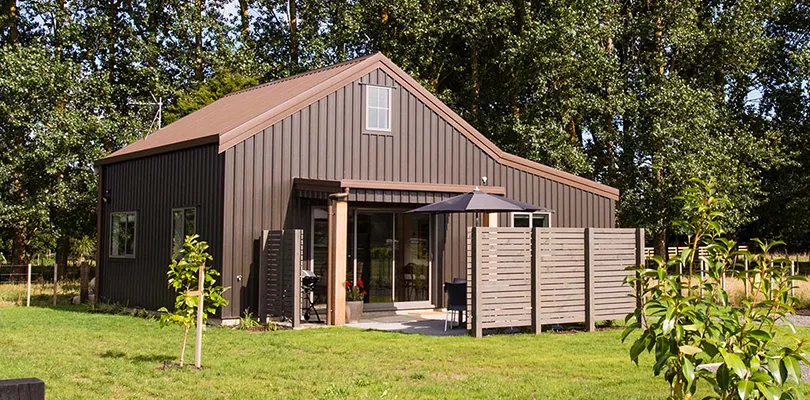
A granny flat — also known as a secondary dwelling, minor dwelling, or self-contained unit — is a fully self-contained living space on the same property as the main home. It includes a kitchen, bathroom, laundry, and living areas.
How it differs from a sleepout
- Unlike a sleepout, a granny flat is independent: occupants don’t have to use the main house for daily facilities.
- A granny flat qualifies as a secondary dwelling under planning and building rules and typically requires building consent — although upcoming law changes are expected to allow consent-free building up to 70 m² with conditions starting in early 2026.
Key points
- Building consent is currently mandatory under the Building Act, and often a resource consent is needed depending on council zoning and site rules.
- Future reforms aim to simplify consent for smaller, simple granny flats while retaining Building Code compliance.
- Granny flats are often used for extended family living or rental income.
Because they are designed for everyday living, granny flats have higher construction costs and compliance obligations than sheds or sleepouts, but offer the most functional independent space.
4. What is a ShedHouse?
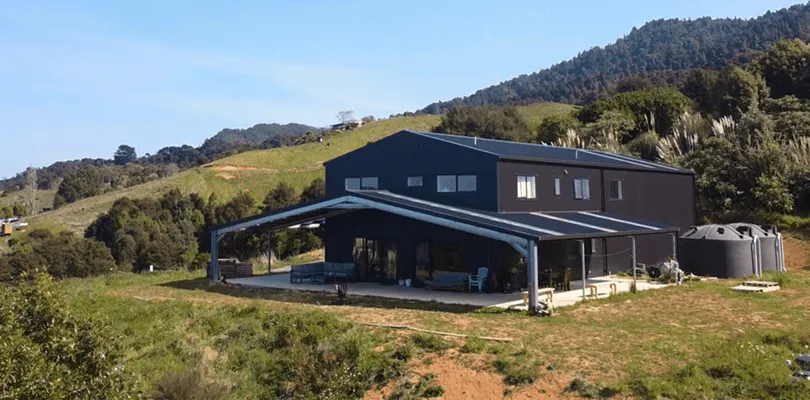
The term shedhouse or barndominium has the classic tough exterior of a shed while maintaining the interior you would expect of a residential build. Shedhouses still must meet the same building code requirements as a regular house.
Important distinction
Regardless of style or simplicity, if the building is used for habitation it must be built to IL2 residential standards under the Building Code — just like a traditional home.
This means:
- Foundations, insulation, fire safety, weather tightness, and structural requirements are not reduced just because it looks like a shed.
- Cost savings are unlikely to come from the shape or materials alone; compliance requirements largely determine cost.
5. Choosing the Right Option for Your Property
Structure |
Primary Use |
Habitable? |
Building Consent? |
Typical Cost |
Shed |
Storage/workshop |
No |
Sometimes exempt |
Low |
Sleepout |
Sleeping/support space |
Yes |
Some small builds exempt; larger require consent |
Moderate |
Granny Flat |
Independent dwelling |
Yes |
Yes (consent required currently) |
Highest |
Shed-House |
Full home |
Yes |
Yes |
Comparable to regular house
|
Factors to consider
- Purpose: Do you need full living amenities or just extra space?
- Compliance: Sheds have simpler rules; sleepouts and granny flats have stricter standards.
- Costs: More compliance equals higher build costs.
- Future use: Rental, family living, or occasional guest space affect design choices.
Conclusion
Understanding the differences between a shed, a sleepout/granny flat, and a shed-house ensures you choose the right approach for your site and lifestyle goals.
- Sheds are cost-effective and great for storage or workspace.
- Sleepouts expand living space at a moderate cost, with some consent-free potential under strict conditions.
- Granny flats offer full independent living but involve full compliance and typically greater investment.
- Shed-houses must meet full residential standards despite their simpler appearance.
Each option has an appropriate place on your property depending on use, compliance, and long-term goals — and careful planning with local regulations in mind will help ensure a successful project.